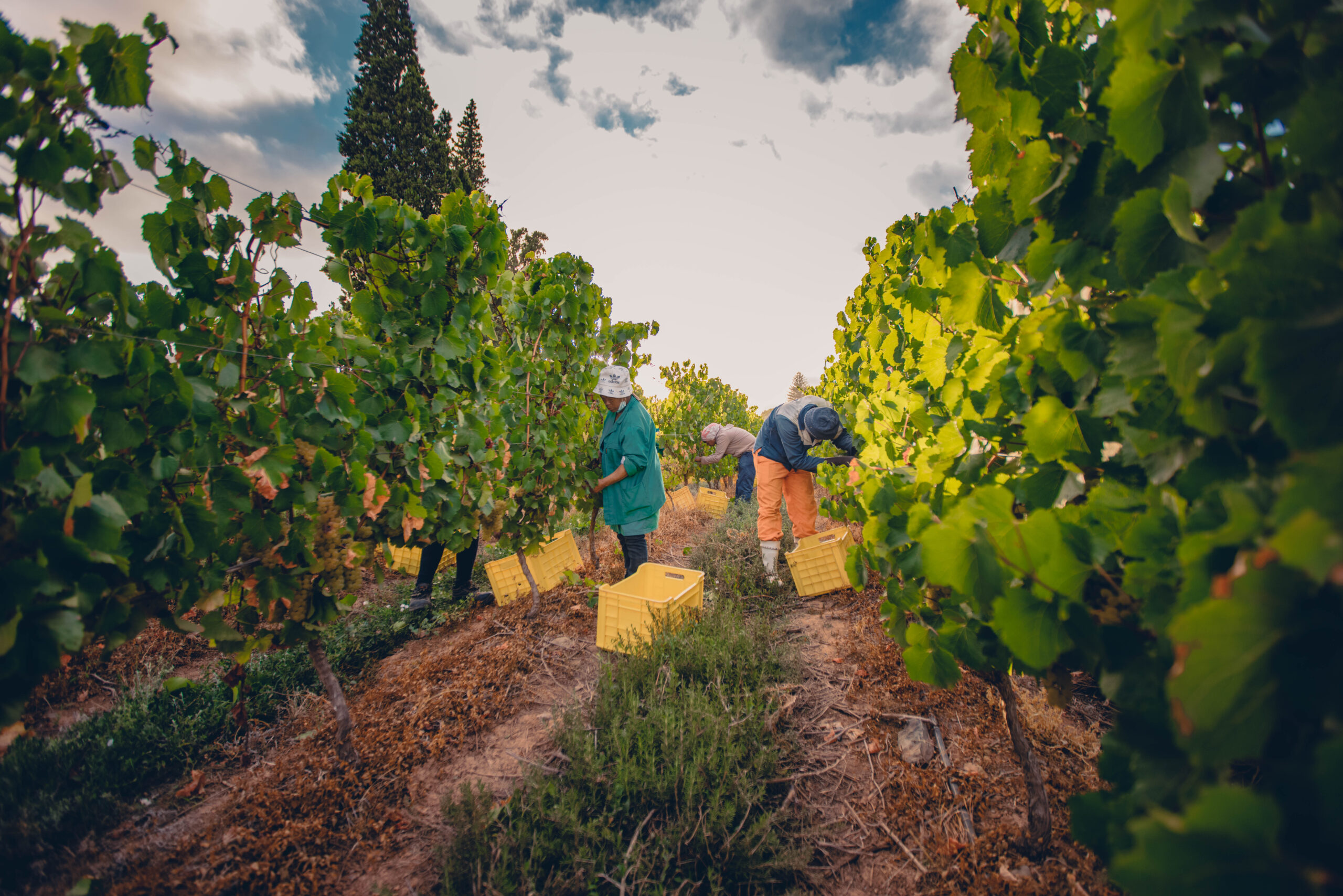
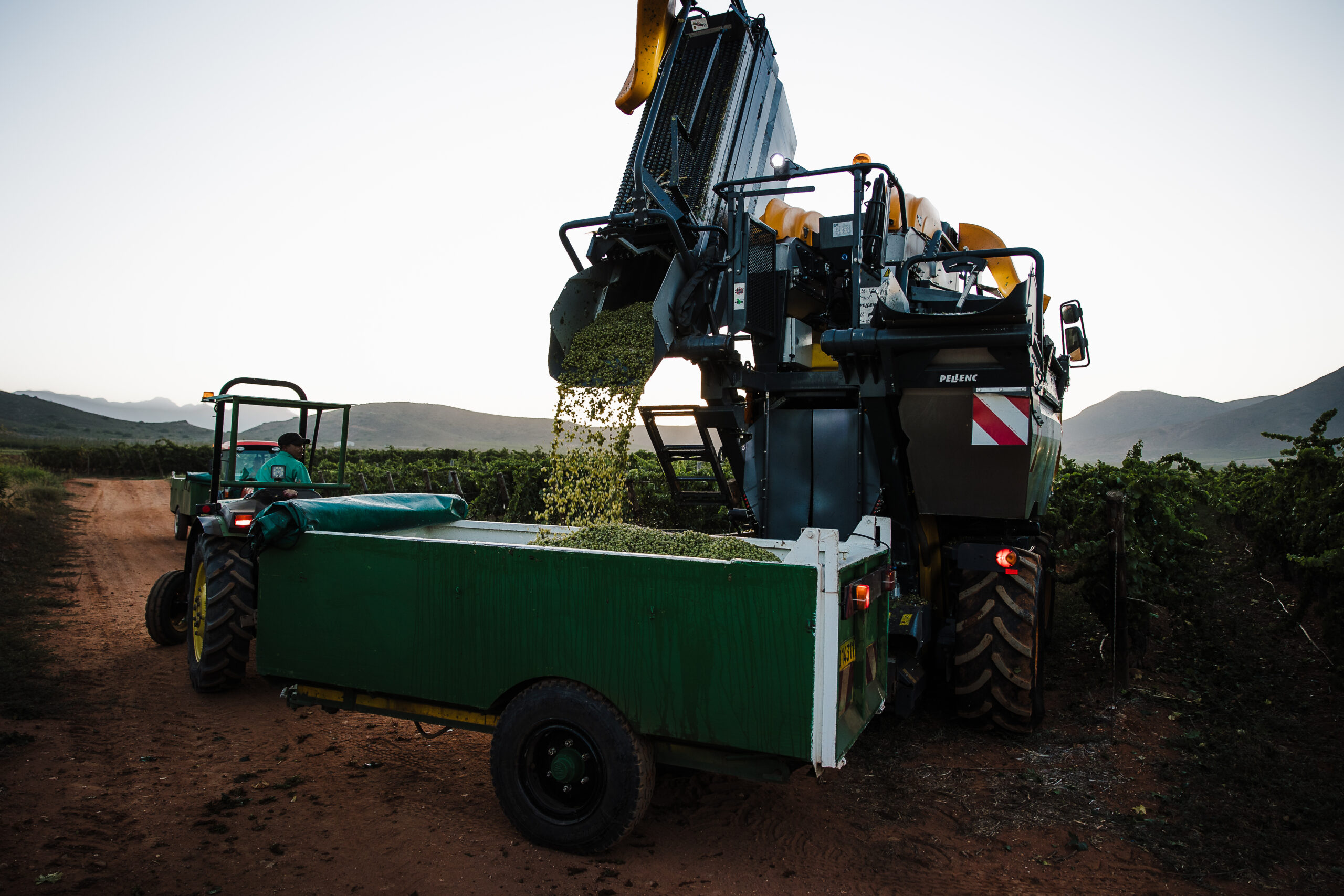
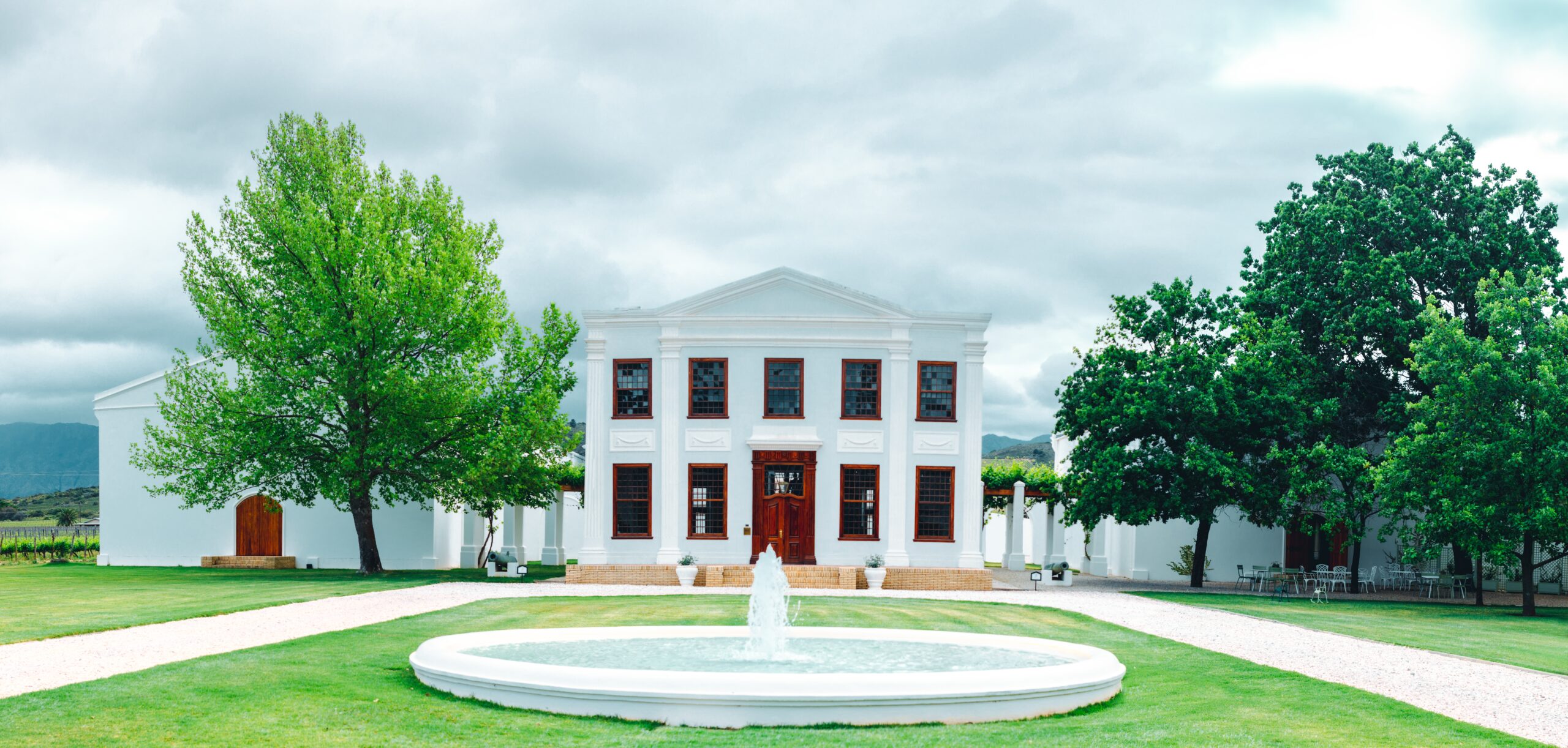
The name De Wetshof has been synonymous with the production of fine wines in South Africa since the 1970s. As the first registered wine estate in the Robertson Wine Valley, De Wetshof has become known internationally as South Africa’s eminent Chardonnay House, due to the pioneering role it played in introducing this noble Burgundian grape to the country. The De Wet family’s winemaking heritage can, however, be traced back to 1694, when the first De Wets arrived at the Cape and immediately made a mark on the South African wine industry. Today, De Wetshof is one of the few third-generation wine estates in South Africa.
De Wetshof Estate has made a meaningful commitment to sustainable energy by installing solar panels in September 2019. Since then, the estate has generated over 1 020 MWh of clean, renewable energy, significantly reducing its reliance on non-renewable power sources and lowering its overall carbon footprint. This transition not only demonstrates environmental responsibility but also contributes to long-term energy efficiency and resilience.
Fuel Wise
At De Wetshof Estate, fuel-wise sustainability initiatives focus on cleaner, more efficient operations. The integration of two electric motorcycles and two electric forklifts into daily activities helps to reduce emissions, lower fuel consumption, and support environmentally responsible practices across the estate.
Water Wise
At De Wetshof Estate, water-wise sustainability initiatives include the collection and storage of rainwater for reuse, helping to conserve natural resources, reduce reliance on municipal supply, and promote responsible water management across the estate.
Soil Health
De Wetshof Estate’s strong performance in IPW (Integrated Production of Wine) reflects a deep commitment to sustainable farming and long-term soil health. This recognition means that the estate follows environmentally responsible practices that protect and nurture the soil, such as careful vineyard management, reduced chemical input, and the promotion of biodiversity. By prioritizing soil vitality and ecosystem balance, De Wetshof not only produces high-quality wines but also farms with the future in mind, ensuring that the land remains productive, resilient, and healthy for generations to come.
Biodiversity
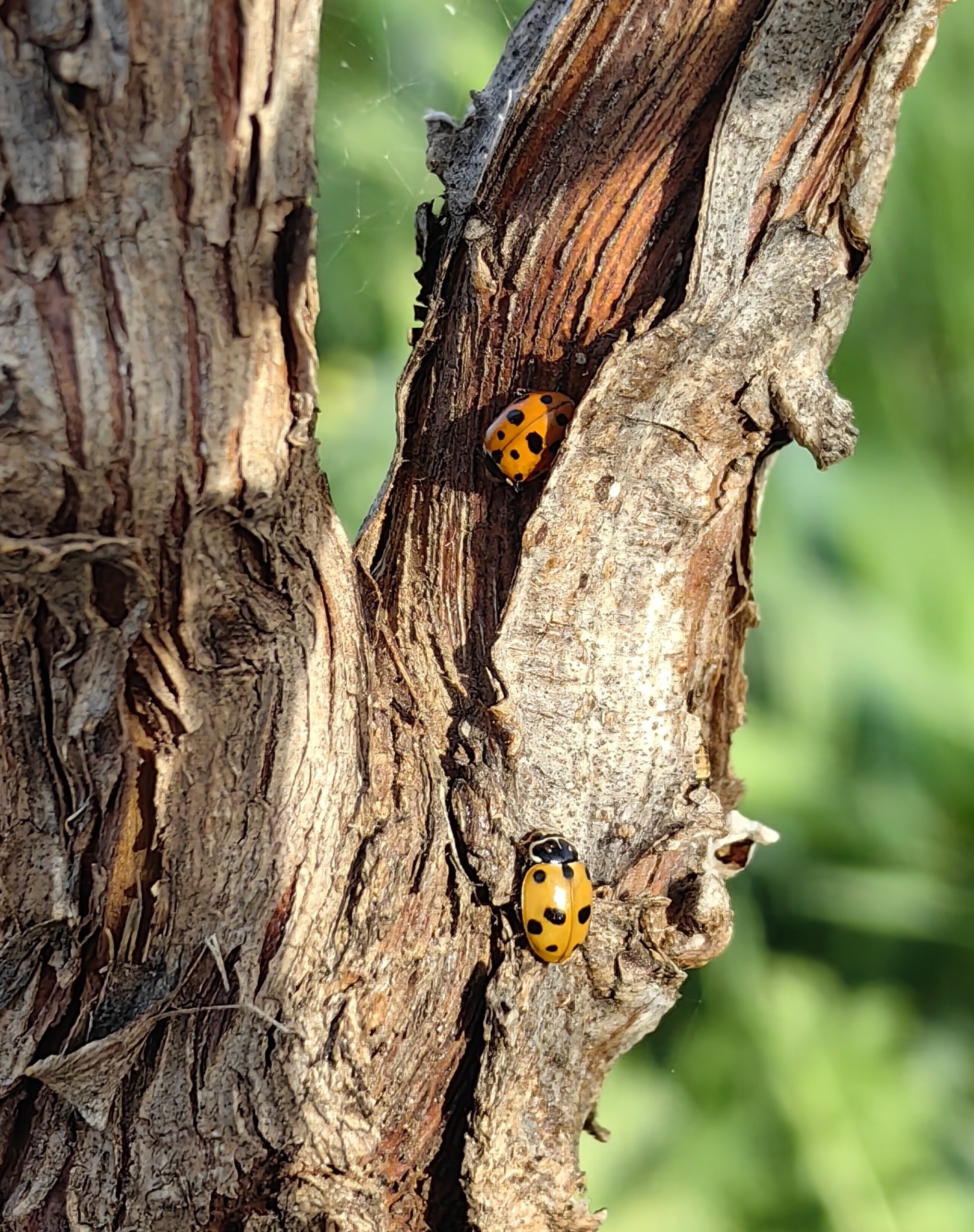
De Wetshof Estate’s commitment to sustainability is further reflected in its recognition as a WWF Conservation Champion and its focus on Farming for the Future. By actively promoting biodiversity, the estate protects natural habitats, supports local ecosystems, and maintains a balanced environment within and around its vineyards. This approach strengthens soil health, encourages natural resilience, and ensures that farming practices remain sustainable, safeguarding the land for future generations while producing wines of exceptional quality.
Reduce, Reuse, Recycle
At De Wetshof Estate, a strong “reduce, reuse, recycle” approach underpins daily operations. Organic waste from both red and white wine production is repurposed as compost in the vineyards, enriching the soil naturally and reducing the need for external inputs. In addition, dedicated recycling bins are used across the estate, with a recycling company collecting and processing materials, ensuring responsible waste management and minimizing environmental impact.