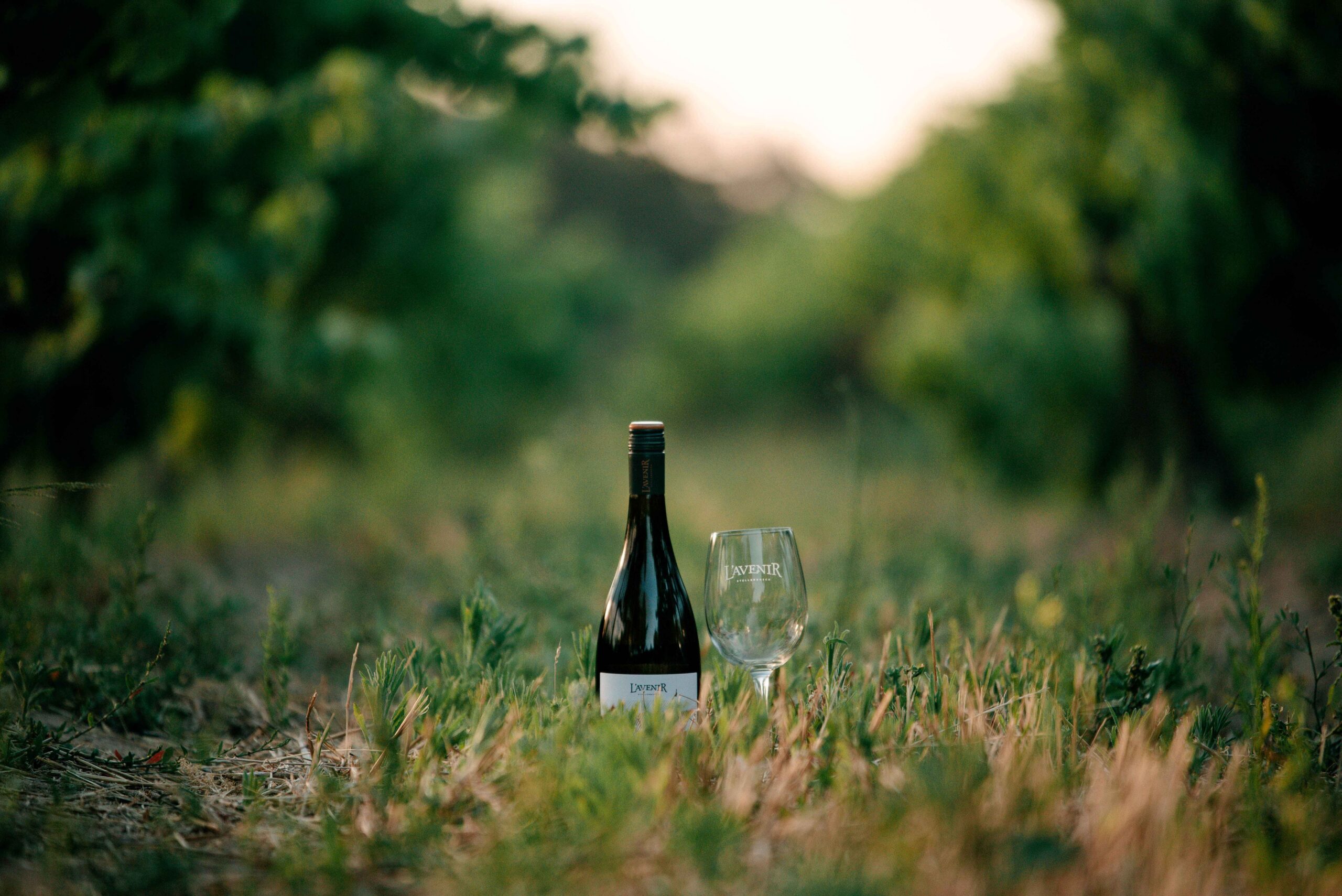
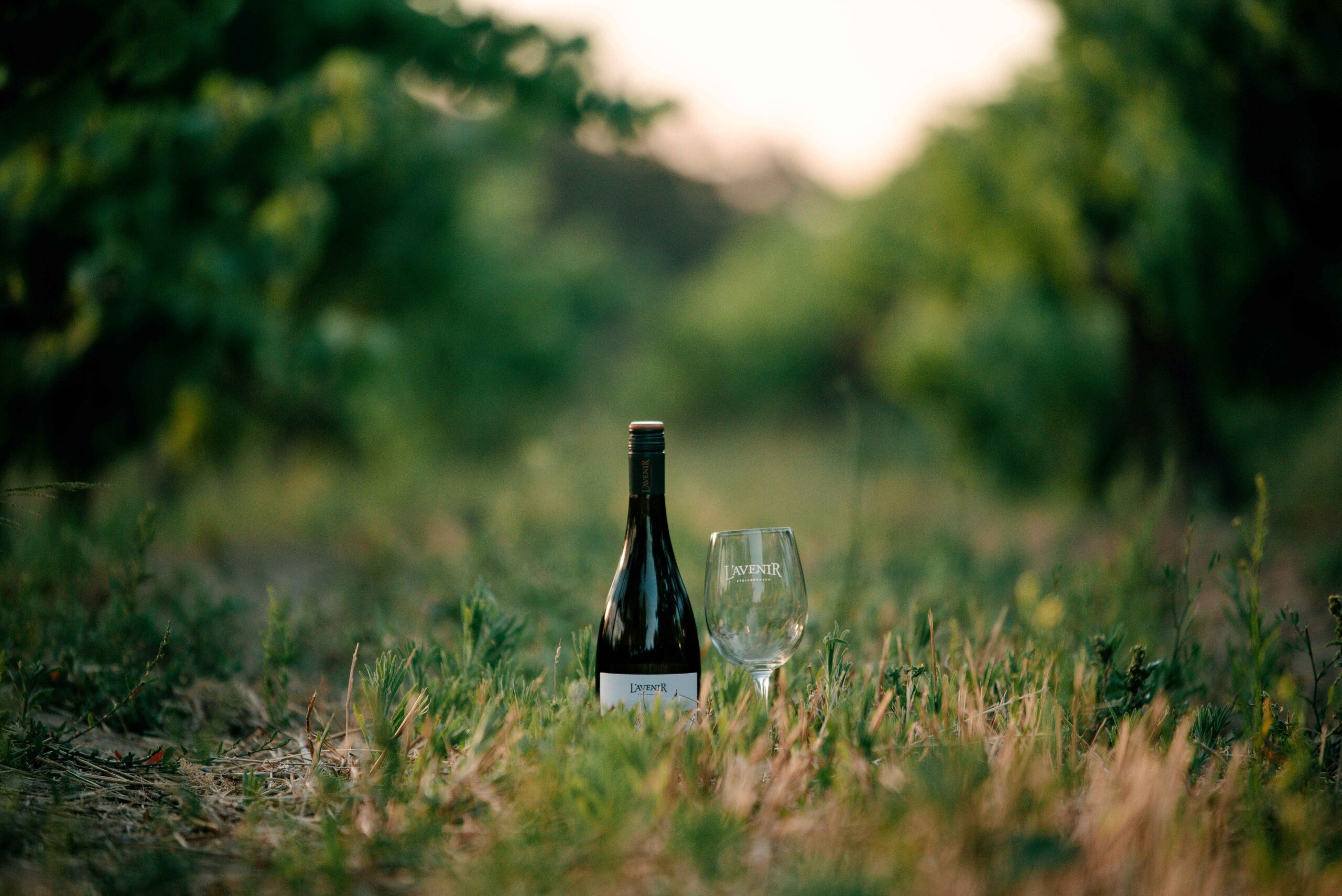
Nestled on the foothills of the Simonsberg in Stellenbosch, L’Avenir Wine Estate is a renowned South African wine producer with a history dating back to the late 1600s. The estate, whose name means “The Future” in French, has built an international reputation for producing exceptional Pinotage and Chenin Blanc wines that express the unique character of Stellenbosch.
L’Avenir forms part of the AdVini Group, one of France’s leading wine companies. Under the leadership of Naretha Ricome, Vice President of AdVini South Africa, the estate continues to balance commercial success with a strong commitment to sustainability and community development.
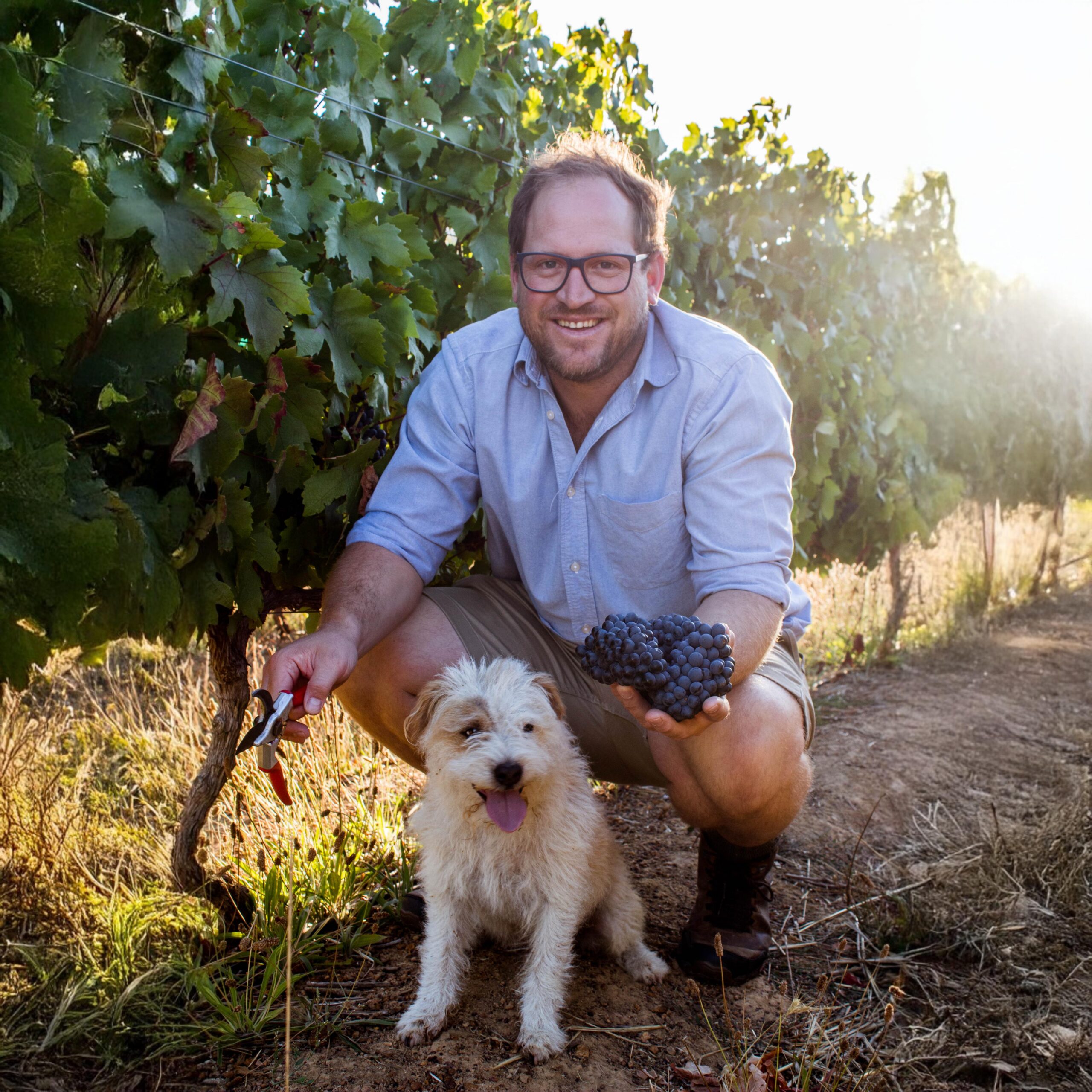
The winemaking team is led by Dirk Coetzee, General Manager and Winemaker, who joined L’Avenir in 2007. Recognised as a pioneer of modern Pinotage, Dirk is passionate about showcasing the estate’s unique vineyards through site-specific, minimal-intervention winemaking and the preservation of old-vine Chenin Blanc.
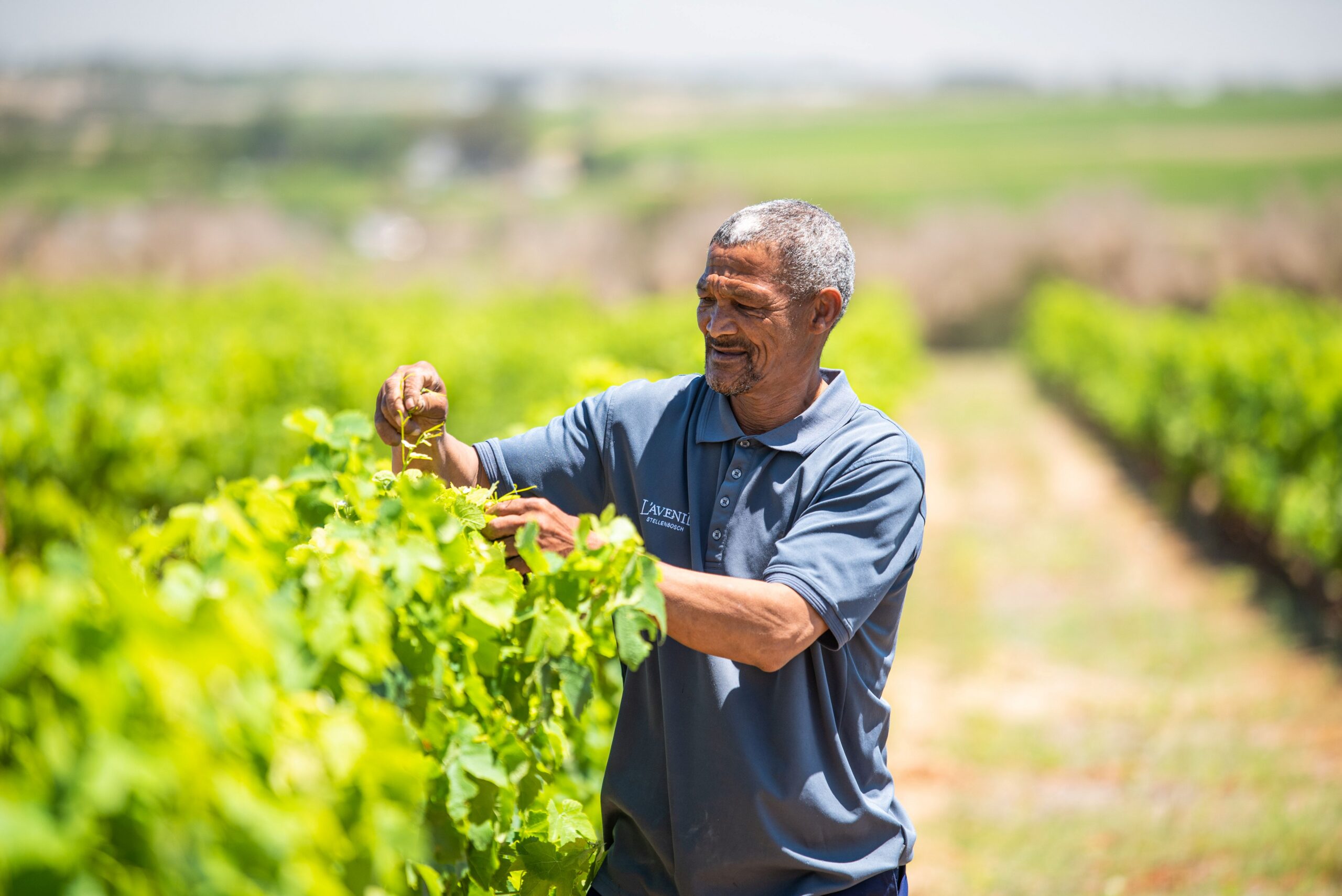
Environmental and social sustainability principles are embedded throughout L’Avenir’s operations. The estate focuses on sustainable water management, biodiversity conservation, soil health, ethical labour practices, and responsible farming to ensure the long-term protection of its natural resources and the wellbeing of its people.
Electricity consumption is monitored to identify opportunities for improved efficiency while maintaining product quality and operational excellence.
Fuel Wise
A key contributor to our lower direct fuel consumption is the use of electric forklifts throughout our winery and warehouse operations.
Water Wise
A natural wastewater purification system supplied by Enviroscientific treats and recycles wastewater, reducing environmental impact and improving water stewardship. The bottling line is sterilised using a steam cleaning system, requiring only 40 litres of water per bottling run, compared to approximately 6,000 litres previously used with hot-water sterilisation. A high-pressure cleaning system is used for equipment sanitation during harvest, significantly reducing water consumption.
Soil Health
Cover crops are planted between vineyard rows to reduce erosion, improve soil structure and increase organic matter. Ground cover management is employed to protect topsoil, improve water infiltration, and reduce soil compaction. Organic matter incorporation improves soil fertility, soil carbon levels, and moisture retention.
Minimal soil disturbance practices help preserve soil structure and promote long-term soil health.
Biodiversity
Protecting and promoting biodiversity is at the heart of L’Avenir. Significant areas for the natural regrowth of indigenous fynbos and plant species have been preserved. Regular clearing of alien plants, particularly oak trees and other invasive species, is done. Installation of raptor posts, fynbos corridors, and gardens further enhances biodiversity.
Reduce, Reuse, Recycle
Materials such as cardboard, glass and plastics are diverted from landfill through approved recycling channels. Ongoing waste monitoring and employee awareness initiatives support continuous improvement.
Carbon Heroes Recognition Enquiry
Interested in Carbon Heroes recognition for your business or operation?