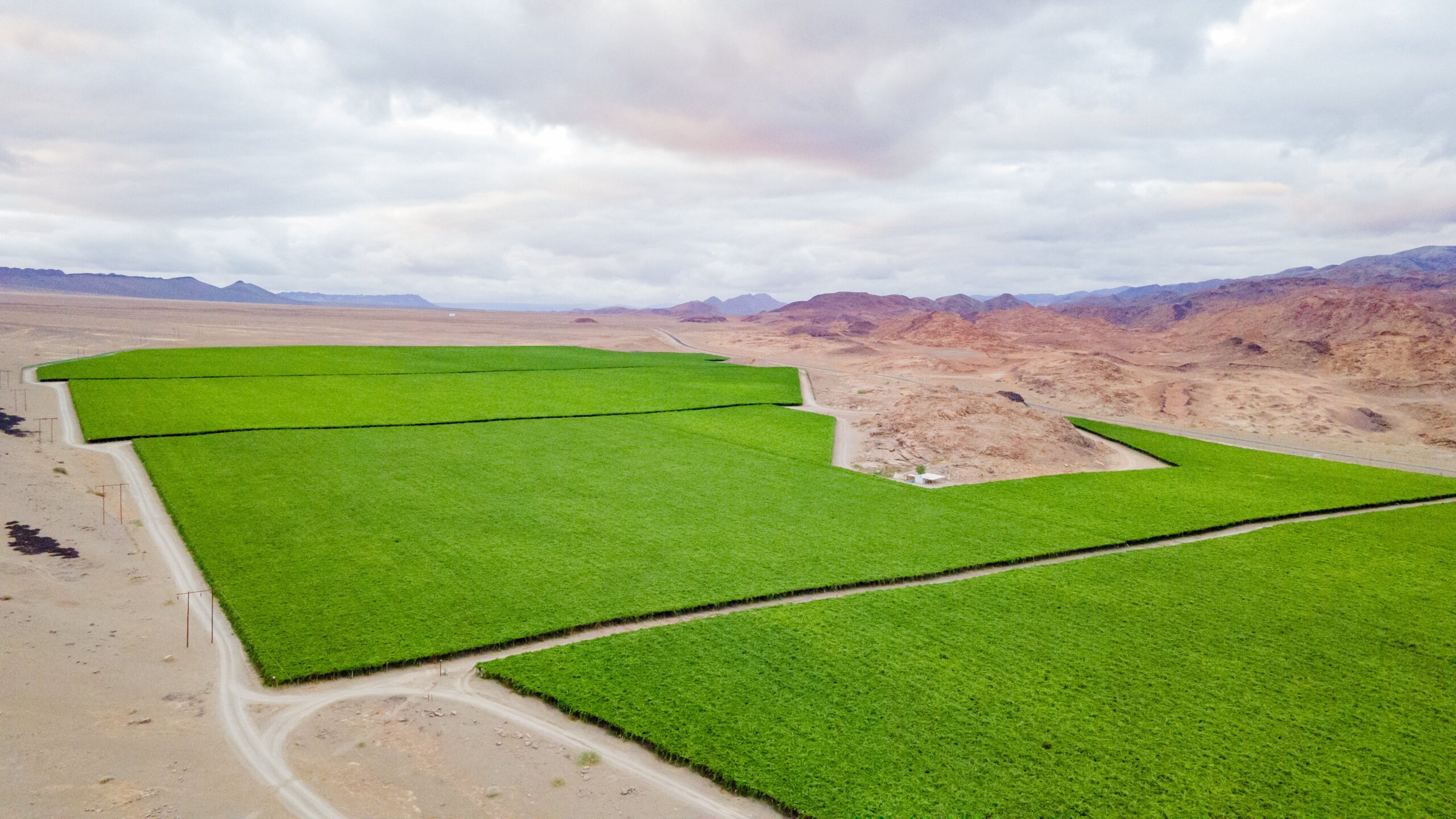
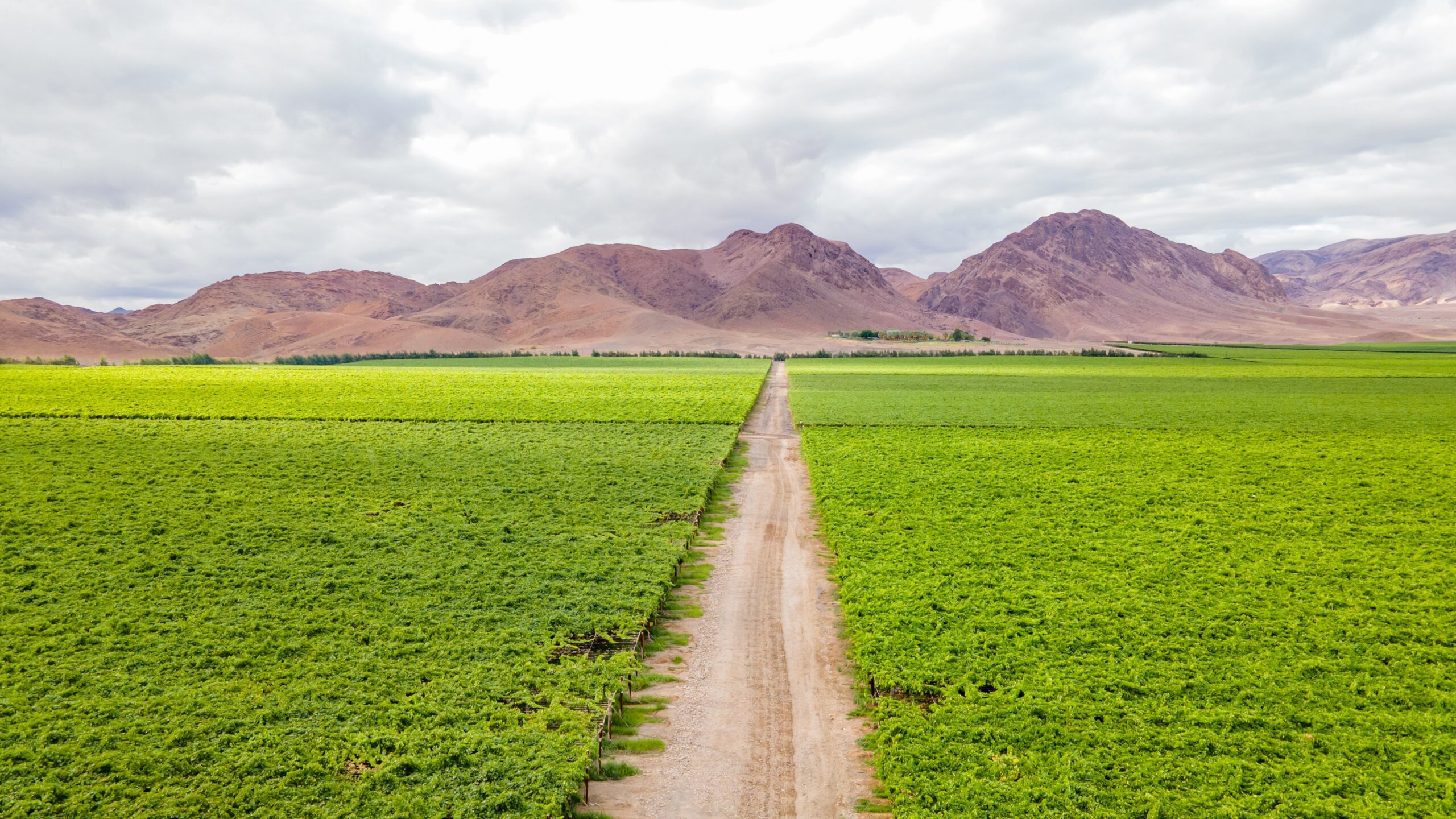
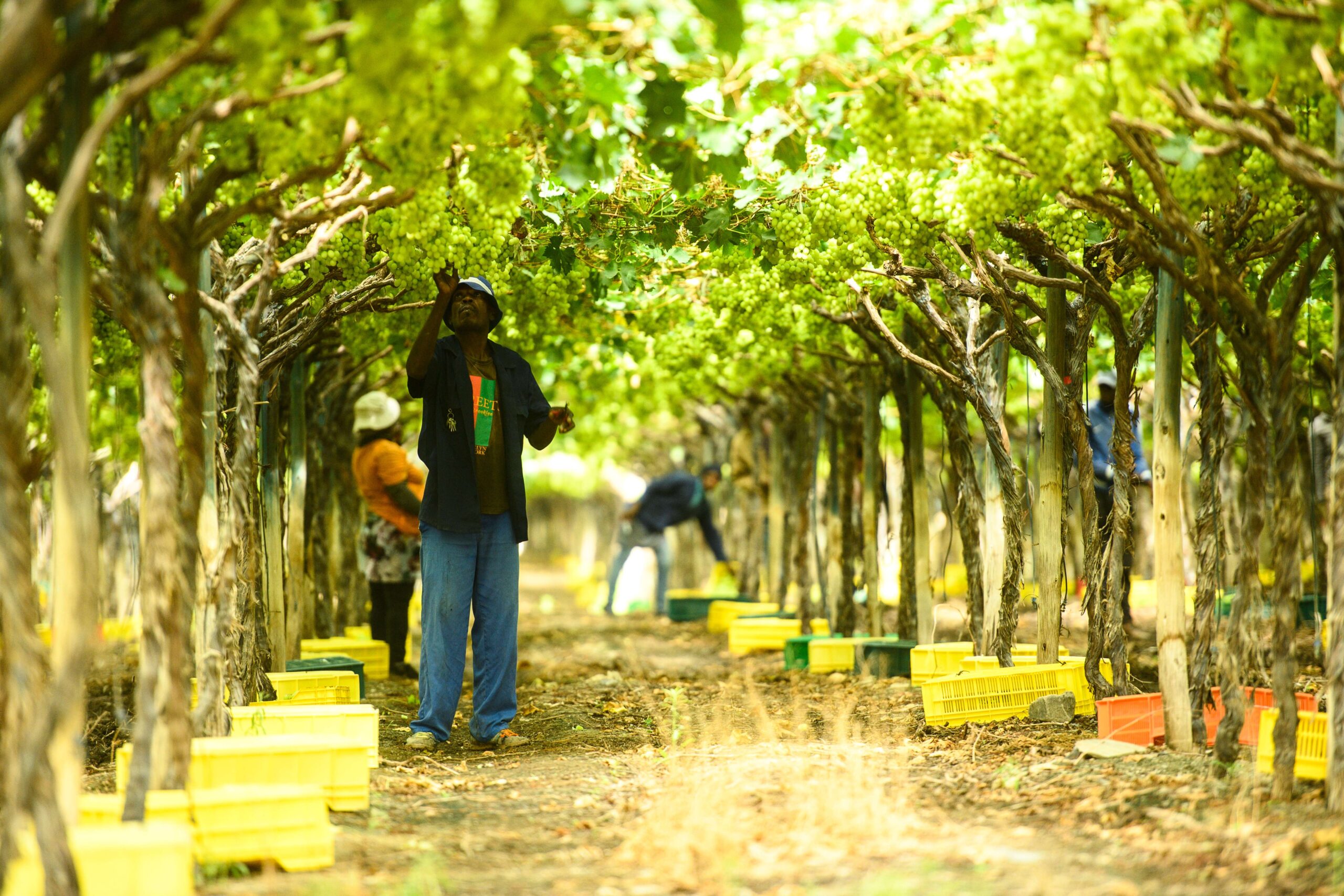
Farming in the Aussenkehr Valley means producing premium table grapes in one of the world’s most challenging growing environments. Every drop of water, every hectare of soil and every natural habitat is carefully managed to ensure long-term sustainability. Our environmental approach focuses on protecting biodiversity, improving soil health, reducing waste, lowering transport emissions and using resources responsibly. Through practical, measurable actions, we continue to strengthen the resilience of both our vineyards and the unique desert ecosystem in which we operate.
Capespan – Namibia Grape Company Sustainability Initiatives
Namibia Grape Company practices several sustainable initiatives on its farm and in its packhouse.
Energy
Innovation plays an important role in reducing our environmental footprint. One production phase operates using an in-field packing system, allowing grapes to be packed directly in the vineyard before being transferred to cold storage. Eliminating conventional packline operations for this phase significantly reduces electricity demand while maintaining exceptional fruit quality and operational efficiency.
Fuel Wise
Capespan SA spearheaded the use of the Port of Walvis Bay as an alternative export route for table grapes from Namibia and South Africa’s Orange River region, in collaboration with the Namibia Grape Company (NGC). By reducing the sea voyage to Europe by up to eight days, vessels consume less fuel, lowering transport-related greenhouse gas emissions. The shorter, more efficient route also improves fruit quality, extends shelf life, and reduces the risk of food waste.
Water Wise
Farming in a desert demands exceptional water stewardship. Lined irrigation storage dams help conserve valuable water by preventing seepage losses, while calibrated flow meters ensure every litre is measured, monitored and managed responsibly. Together, these practices support efficient irrigation, reduce water wastage and help secure the long-term resilience of grape production in the Aussenkehr valley.
Soil Health
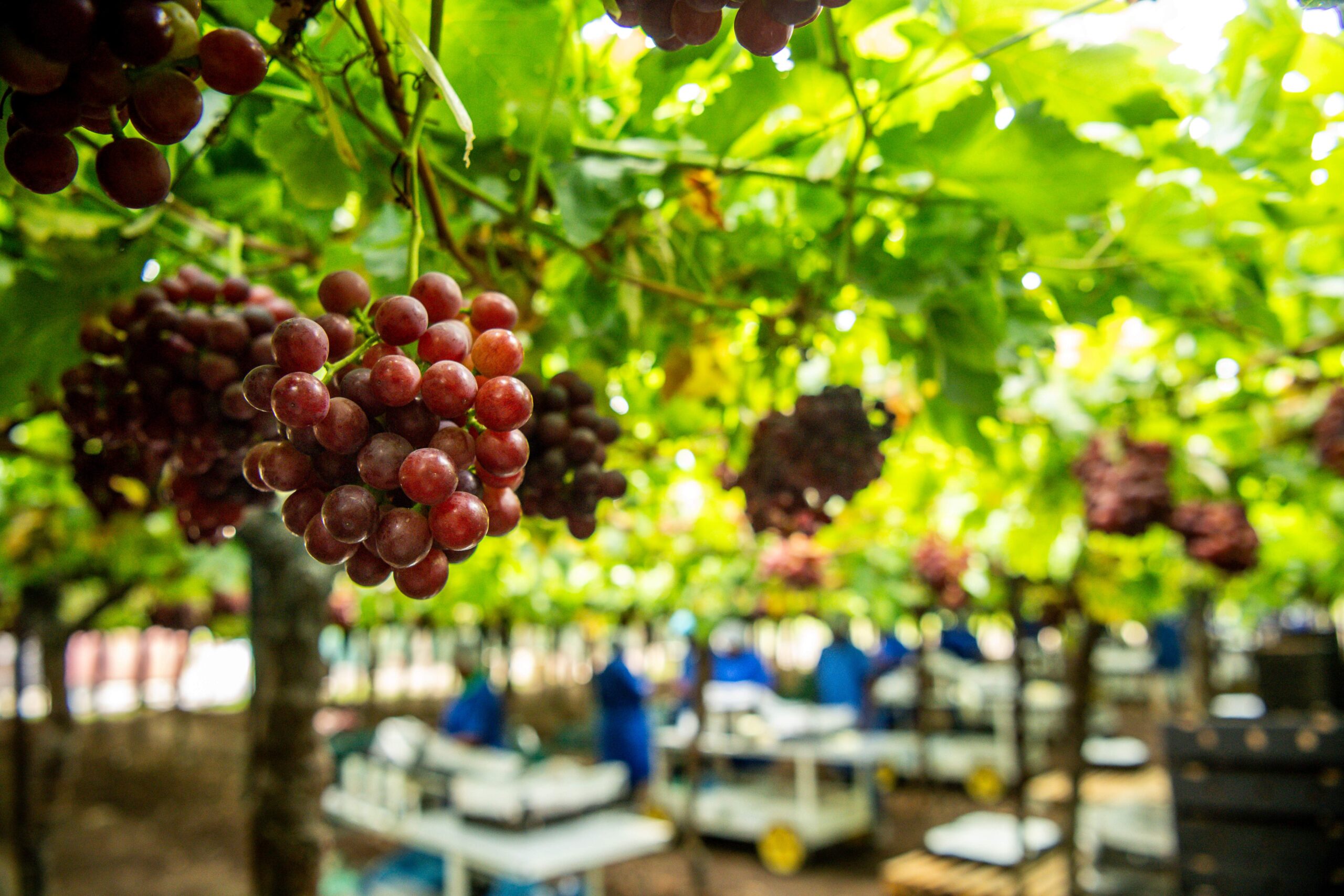
In one of the world’s most arid grape-growing regions, maintaining living cover crops between vineyard rows demonstrates a strong commitment to regenerative farming. The cover crops protect the soil from erosion, improve organic matter, enhance moisture retention, and support beneficial soil life. By reducing soil disturbance and increasing carbon stored in the soil, they help build healthier, more resilient vineyards while creating valuable habitat for biodiversity in a challenging desert environment.
Biodiversity
The establishment of a wild honeybee swarm within our vineyard was a significant indicator of environmental health. In the harsh, arid conditions of the Aussenkehr Valley, where biodiversity is naturally limited, the presence of a thriving wild pollinator colony reflects a healthy ecosystem. Rather than disturbing the bees, the affected vineyard area was left undisturbed and harvesting continued around the colony. By sacrificing production in that area, we allowed the swarm to remain in its natural habitat, demonstrating our commitment to protecting biodiversity and supporting essential pollinators.
Reduce, Reuse, Recycle
Recycling is integrated throughout the farm, with dedicated recycling bins positioned across the property to encourage waste separation at source. The collected recyclable materials are transported to a central waste sorting area, where they are consolidated before being collected regularly by an approved recycling contractor. By diverting cardboard, plastics and other recyclable materials from landfill, the farm reduces greenhouse gas emissions, conserves natural resources and supports a circular economy through responsible waste management.
Carbon Heroes Recognition Enquiry
Interested in Carbon Heroes recognition for your business or operation?