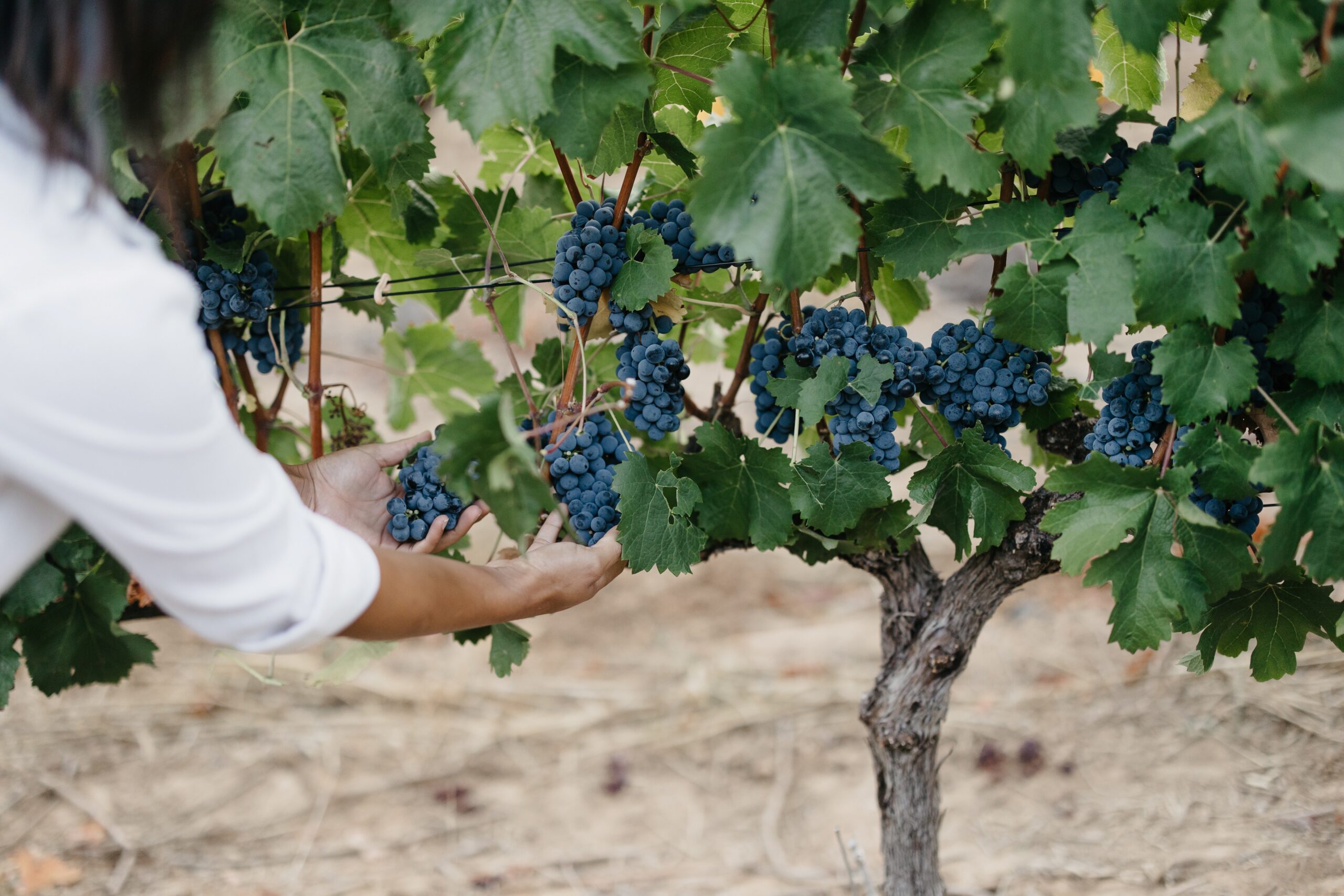
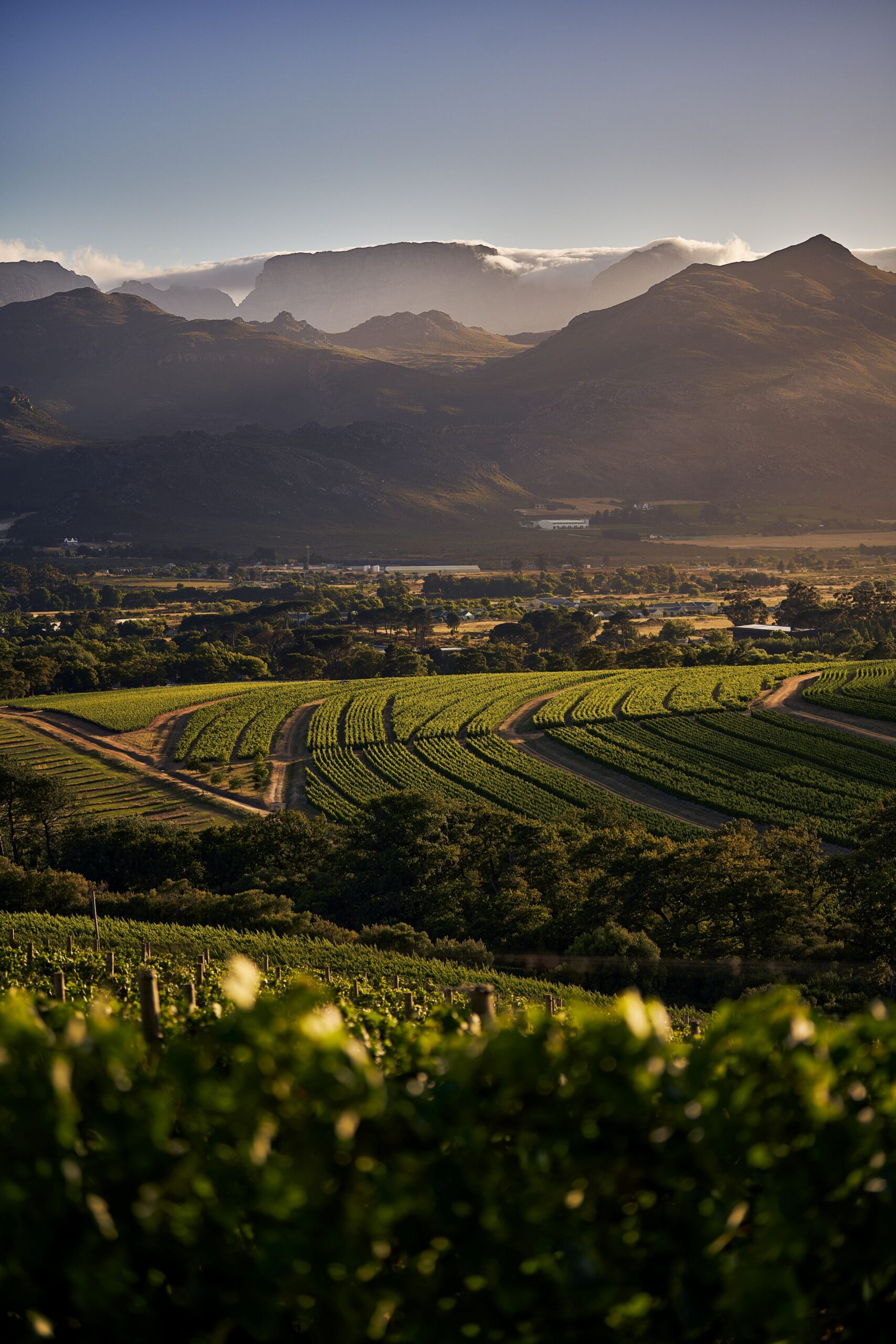
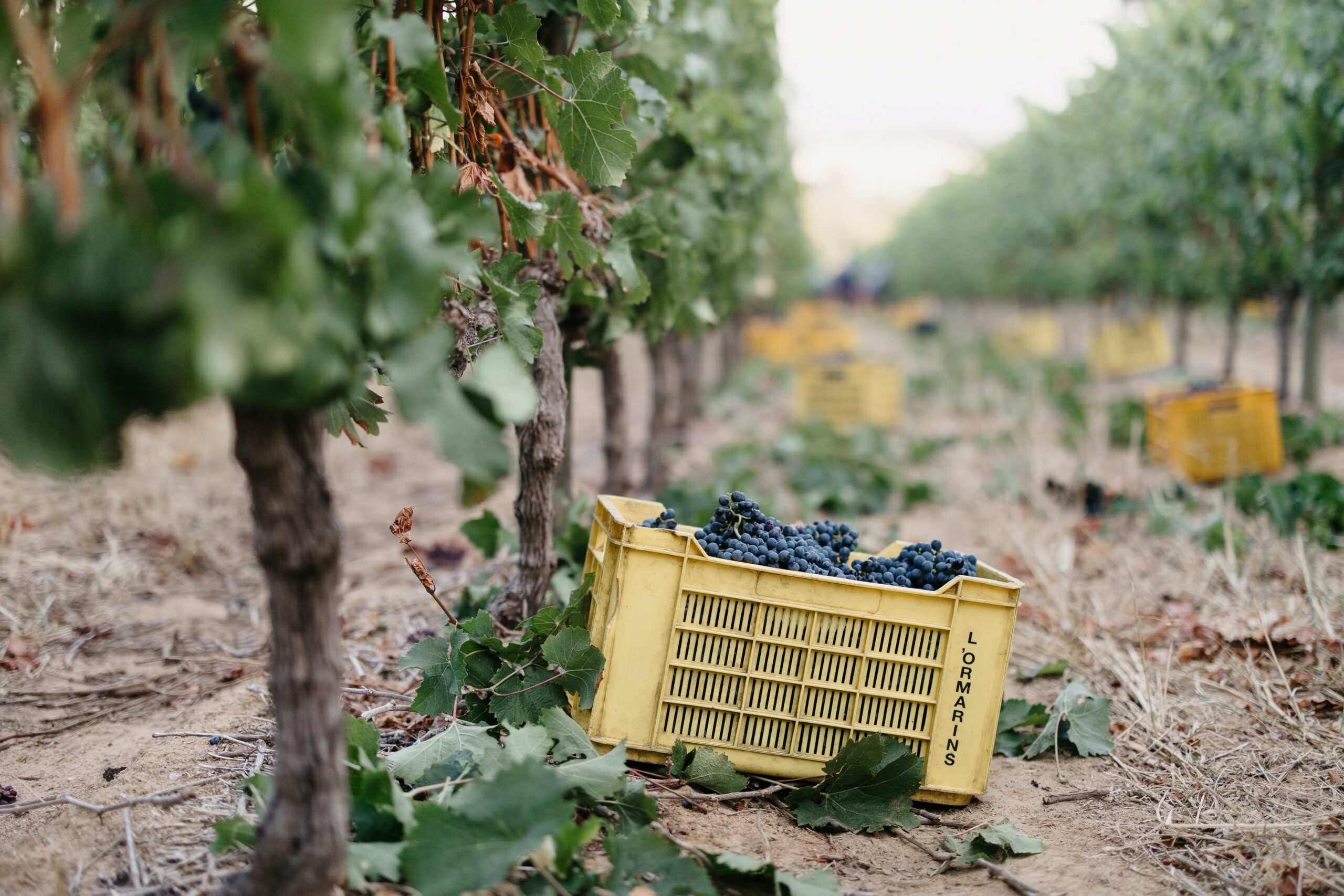
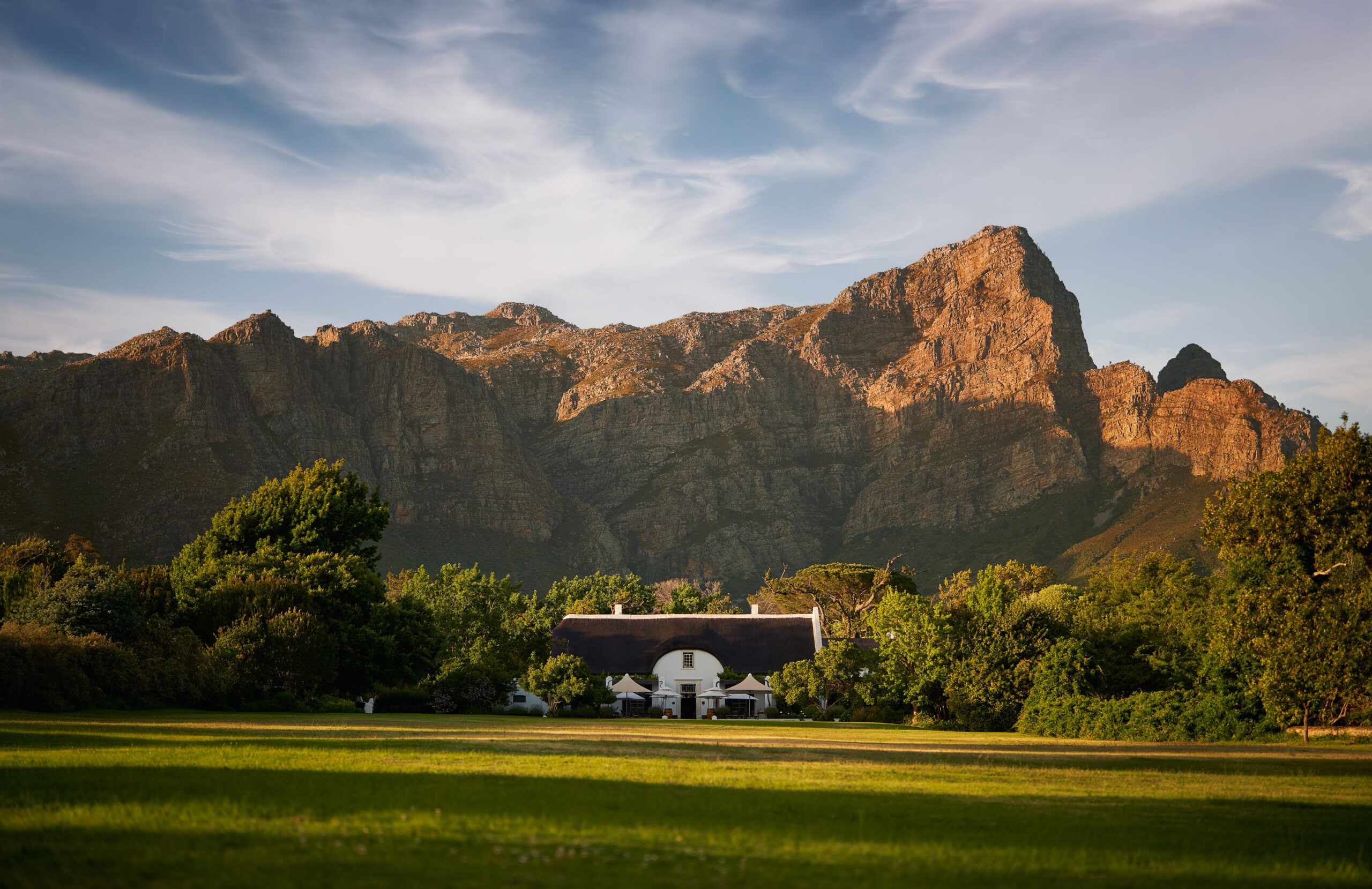
Anthonij Rupert Wyne was founded on the historic L’Ormarins farm in Franschhoek. Originally owned by the late Anthonij Rupert, the farm was taken over by his brother, Johann Rupert, in 2003, who established a state-of-the-art winemaking facility with a focus on terroir-specific wines. Today, the portfolio includes renowned ranges such as Anthonij Rupert, Cape of Good Hope, Protea and L’Ormarins. The winery is also committed to sustainability and preserving the natural beauty of the Franschhoek Valley through renewable energy, water conservation and responsible waste management practices.
Energy efficiency is improved through practical measures to reduce electricity use and reliance on coal-based grid electricity. Variable Speed Drive (VSD) pumps improve pumping efficiency, while irrigation is scheduled during off-peak periods where possible. High-demand equipment is started at intervals to avoid consumption spikes, and planned maintenance keeps equipment operating efficiently. Solar and hydroelectric power reduce reliance on grid electricity, while LED lighting, day-and-night switches, battery-powered golf carts and careful management of cooling systems further reduce energy use.
Fuel Wise
Fuel consumption is monitored monthly, with petrol, diesel and LP gas usage displayed on dashboard graphs to identify unusually high consumption and opportunities for improvement. Employees are encouraged to combine trips and practise fuel-efficient driving. Fuel efficiency is considered when purchasing vehicles, tractors and other equipment. Battery-powered golf carts and quad bikes are used where practical to reduce fuel use, while vehicles are regularly serviced and maintained. Diesel forklifts have been replaced with LP gas forklifts. Deliveries are grouped by geographical area and scheduled to reduce unnecessary travel.
Water Wise
Water use is monitored monthly per vineyard block to calculate water-use efficiency (WUE) and identify unusual consumption or leaks. Irrigation infrastructure is regularly maintained, with leaks and faults repaired promptly and filters automatically backwashed. Weather forecasts and soil moisture meters guide irrigation, which is scheduled during cooler periods where possible. Drip irrigation reduces evaporation and water loss, while cover crops improve soil water retention. Employees receive training in efficient irrigation and water-wise practices. Wastewater is treated for reuse where suitable, and rainwater harvesting is explored.
Soil Health
Improving soil water-holding capacity is an important part of sustainable vineyard management. Healthy soils with sufficient organic matter absorb, store and release water more effectively, reducing irrigation needs and improving resilience during dry periods. Soil organic carbon (SOC), measured using the Walkley-Black method, provides an indication of soil health and water-holding capacity. SOC is improved through reduced tillage, organic compost, leguminous cover crops, mulching and green manure. These practices add organic matter, improve soil structure, conserve moisture and support beneficial soil organisms.
Biodiversity
Biodiversity is protected through the removal of alien and invasive plants, with follow-up inspections and restoration of indigenous vegetation. A fire management plan supports controlled burns to maintain fynbos ecosystems and encourage protea regeneration. Floating islands on dams provide habitat for wildlife, while riverbanks and wetlands are restored where necessary. Fauna and flora are regularly monitored, with particular attention to endangered and vulnerable species, including Cape Leopard monitoring. Snakes are safely relocated rather than harmed, and natural Swartland alluvium veld is conserved.
Reduce, Reuse, Recycle
Waste is separated for recycling within each department and transported to central collection points for further sorting. Monthly contractor reports track recycled materials and waste sent to landfill, supporting continual improvement. Packaging is selected with recyclability and environmental impact in mind. The Protea wine range uses lightweight glass bottles to reduce material use and transport emissions, while the distinctive bottles are designed for reuse. Labels are made from recycled paper and can be easily removed to support reuse or recycling. Wastewater from cellars, production facilities and domestic use is treated and reused for irrigation.
Carbon Heroes Recognition Enquiry
Interested in Carbon Heroes recognition for your business or operation?